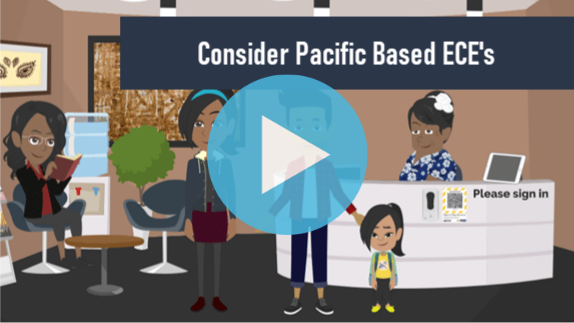
Consider Pacific Based Early Childcare Centres
Pacific Early Childcare Centres
Pacific Early Childcare Centres play an important part in a child’s development and growth, however not all ECE’s reflect what is best for your child. In considering an Early Childcare Centre for your child, consider asking the following:
Ten questions to ask an Early Childcare Centre manager
- What are the values and beliefs of the Early Childcare Centre, and are the values reflected in the centres philosophy?
- Does the centre demonstrate disciple, set boundaries and enforce policies and procedures.
- Is the centre culturally inclusive and do they celebrate different nationalities?
- Does the centre have appropriate staff to child ratios?
- Does the centre encourage parent participation?
- Is the centres ERO report available to read?
- Does the centre have a robust Health and Safety policy?
- Does the centre have a transition plan for Primary School?
- Ask the teachers to describe the curriculum offered.
- How many teachers are qualified and do they have current first aid certificates?
If you would like list of Pacific Based Early Childcare and Home Based Centres in your area, click the Early Childcare Education Directory Link
Fakaalofa Lahi Atu – Niue
Fakaalofa Lahi Atu, Niue
N
Niuean Songs
At Pacific Learners, we love to showcase songs from different cultures. In this video, little Sifa sings a beautiful Niuean song, a song she loves to sing at school and at home.
Cultural songs play an important part in a child’s cultural identity and educational journey.
3 cultural songs you might like
- Ua e manumalo – Talia sings a beautiful Samoan song that she is learning at church
- Le ‘Aute Samoa – Talia sings a song that was taught to her by her mother, it also helps her cope with stress and worry
- Motirawa tariu – a Kiribati songs that Teita loves to sing
About Niue
Niue is situated in the South Pacific between Tonga, Samoa and Cook Islands. Its land area is 260 square km and its population is around 1,700.
Niue is self-governing in ‘free association’ with New Zealand. It is part of the Realm of New Zealand, which means that we share the same Head of State, Her Majesty the Queen in Right of New Zealand.
Kiribati – The Song I love
Kiribati – My Favourite Song
A child’s sense of identity often comes from having an appreciation of their culture, customs and traditions. As parents and caregivers, we have a responsibility to pass on these traditions so our children can develop a sense of belonging and hopefully become advocates of their culture for future generations.
At Pacific Learners, we are passionate about seeing our young Pacific children grow in their customs and culture.
In this video, Tieta sings a song in Kiribati, a song that is special to her and her family.
Learn more about Kiribati
Kiribati is a republic comprising 32 coral atolls and one raised coral island stretched along the equator in the Central Pacific. It is home to around 116,300 people and also the South Pacific’s largest marine reserve. Kiribati is low lying and as a result extremely vulnerable to the effects of climate change including rising sea levels and the challenges associated with salt water inundation of fresh water supplies.
Building Cultural Connections
Incorporating culture into daily home life means children build long lasting cultural connections. In this video, Talia sings a Tongan song, ‘E’ Otua Tataki Au, a song she grew up hearing at home.
At Pacific Learners, we are passionate about producing cultural content that inspires and educates our young Pacific Learners. With now over 70 videos on the Pacific Learners website, you will find Tongan, Kiribati and Samoan songs.
The words of ‘E Otua Tataki Au’ talks about resting in Jesus, although we may be busy with life, we need to stop, rest and trust in the Lord.
Three Cultural Songs you might enjoy
- Ua e manumalo – Talia sings a beautiful Samoan song that she is learning at church
- Le ‘Aute Samoa – Talia sings a song that was taught to her by her mother, it also helps her cope with stress and worry
- Motirawa tariu – a Kiribati songs that Teita loves to sing
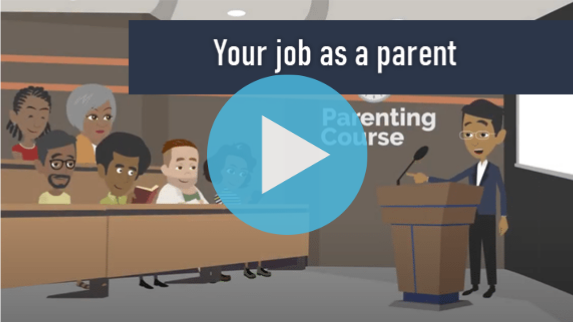
Your job as a parent
By the age of 4 yrs old, your child should be socialised. This means your child should be respectful, pleasant to be around and be liked by others, if not, your child will grow up feeling rejected and find themselves on the outside.
From an early age, parents need to set clear expectations and boundary’s with their children, and be consistent once the boundary’s are in place.
Lets face it, children push boundary’s and will keep pushing boundary’s, it’s in their DNA. They want what there siblings have, they want to eat all the sweets, they want to be the center of attention, this type of behaviour is normal to the child, but it needs to be dealt with.
Failure to deal with entitled, aggressive and selfish behaviour is setting your child up for a life of rejection and loneliness. This video talks about why it is important for your child to be socially developed.
At Pacific Learners, we are passionate about our children having a great start to life and preparing for the journey ahead.
5 ways to help your child socialise
- Teach your child empathy – It is important children get an understanding of how others feel in different situations.
- Practice Role Play with your child – Put your child in a role where they are the person who is difficult to get along with.
- Set a good example – Children learn by watching, so set a good example for your child.
- Follow your child’s interests – Placing your child in an environment with likeminded children can help develop and build social skills.
- Learn to ask questions – Often when children find it hard to communicate they can withdraw and shut down. Teach your child to ask questions that cant be answered with a yes or no.
Extract courtesy of Jordan Peterson – Clincial Psychologist
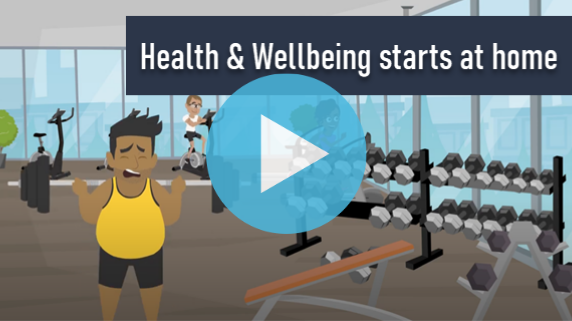
Health and Wellbeing starts at home
Health and Wellbeing starts at home. It is important that parents and caregivers develop healthy eating habits and include exercise into their daily routines. Children learn by watching, so instilling a good foundation of positive wellness practices puts them on a pathway to sustained health.
In this video, Sione has an important talk with his father about his health. This conversation leads to Sione’s father taking his health more seriously, so he starts on a journey of increased health and wellness.
At Pacific Learners, we are passionate about seeing our children reach their full potential. The topic of Health and Wellbeing needs to be talked about at home, and not left to teachers. Putting our children on a pathway to healthily living sets our children up for a long and fulfilled life.
4 positive outcomes of leading a healthy lifestyle for children:
- Perform better academically by being able to concentrate and having a clear mind
- Feel better about themselves, their bodies and their abilities.
- Cope with stress and regulate their emotions better.
- Avoid feelings of low self-esteem, anxiety, and depression.
4 Health and Wellbeing videos you might find useful
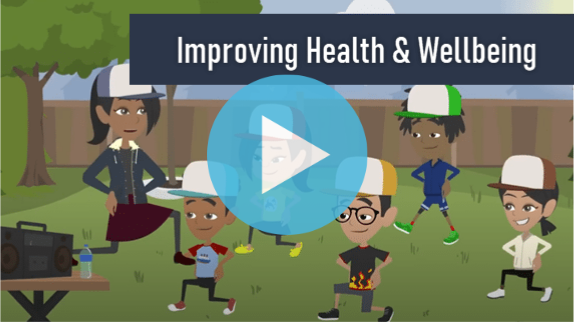
- Improving Health and Wellbeing – In this video, Mrs. Ioane takes her class through some exercises
- Saying no to fizzy drinks – Tooth decay is a major issue for our young children, in this video Mrs. Ioane talks about saying no to fizzy drinks
- Coping with stress and anxiety – In the first video in the Stress and Anxiety series, we look at the impact stress and anxiety has on our children
- Supporting our children through Stress – Through the zoom classroom sessions, Mrs. Ioane highlight 5 tips of how to deal with stress
Improving Health and Wellbeing
Exercising in a group environment, with friends or family plays an important part in the health and wellbeing of our children. In this video, Miss Ioane takes the children through their paces.
Category
Put a Stop to Bullying
How to stop a bully
At Pacific Learners, we believe school should be an environment that fosters creativity, fun, offers great learning experiences and prepares the child for the journey ahead.
However, a child’s experience at school can be impacted by those who bully and intimidate. These children often have underlying issues which can stem from insecurities, lack of discipline and lack of respect for others. These issues need to be dealt with and dealt with fast.
A child who is bullied doesn’t always speak up, they can feel isolated and alone, and can lead to behaviours that are uncharacteristic. The impact can be felt not only short term but long term as well. In understanding the impact bullying can have on children, we need to address it quickly, and in most cases address the issue with the parents or caregivers.
In this video, Miss Ioane pulls aside a child and has a meaningful conversation with them.
5 ways to address bullying behaviour
- Deal with the issue immediately, the child needs to understand that you are serious and that the bullying behaviour is unacceptable.
- When addressing the child, keep calm, it is okay to be angry but focus on the behaviour and not the child.
- Emphasise that their behaviour will have consequences and be clear about the punishment. Time out or taking away a toy or privilege is a good idea.
- Listen to what the child has to say, in the child’s mind he/she could think they are doing nothing wrong. The behaviour could be acceptable in the child’s home
- When talking to the child, use positive messaging and try to get the child to think about how the other child might feel.
If you found this video useful, you might like to watch our 3 part series on ‘Helping children cope with stress and anxiety’.
- Help our children cope with stress and anxiety part 1 – Understanding the symptoms of stress and anxiety.
- Help our children cope with stress and anxiety part 2 – Communication is key.
- Help our children cope with stress and anxiety part 3 – Use culture and identity to overcome stress and anxiety.
I am Samoan
I am Samoan
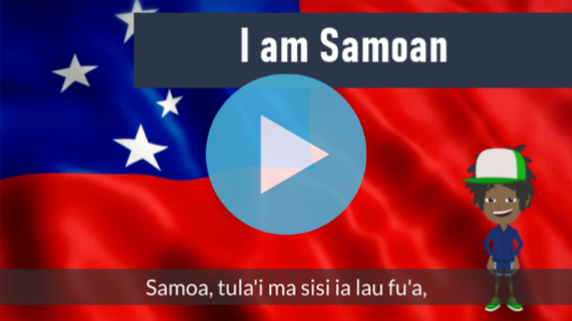
I am Samoan, is about a little boy called Sione who gets the opportunity to stand up in class and talk about the country he loves, Samoa!
At Pacific Learners, we love to tell stories about culture and identity. Little Sione talks about how his father handed down to him a Fue, the Fue holds a special place in Sione’s heart.
Having an understanding of culture and identity provides our children a sense of belonging, so at Pacific Learners we have a dedicated Samoan Language Resource page that has images, language and cultural videos.
5 Samoan videos you might find useful
- Common Samoan Phrases – Simple Samoan phrases you can use everyday
- Common Samoan Words – Simple Samoan words you can use in everyday conversations
- Building identity through culture – Little Talia signs a song she grew up with, and one that is special to her. Ua e manumalo
- Helping our children through stress and Anxiety – Little Talia sings a song that helps her through the hard times. Le ‘Aute
- Samoan language video – Shapes and Colours – Improving your Samoan language knowledge by learning 10 shapes and 10 colours


Recent Comments