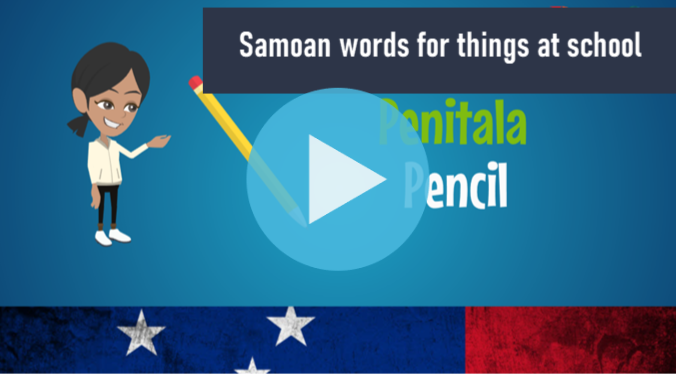
Going to school for the first time can be a stressful for our Pacific children, especially if English is their second language. In this video, we give you 17 things that our children will see at school, and translate them for you in English and Samoan.
You will learn words like ‘Api’ which means ‘Book’, ‘Faiaoga’ which means ‘Teacher’, or you can say to your friends, “let’s go to the ‘Malae taʻal'”, which means ‘Playground’.
Remember, our Pacific language is a part of our identity, so it is important to continue to use our Pacific languages at school, at home and when we are with our friends.
Aoga – School Potu aʻoga – Classroom Peni – Pen Penitala – Pencil Vase – Ruler Api – Book Pepa – Paper Ato aoga – School Bag Nofoa – Chair Kesi – Desk Titina – Rubber Logo – Bell Fala – Mat Faiaoga – Teacher Pule aoga – Principal Malae taʻalo – Playground Tamaiti – Children
At Pacific Learners Education, we are passionate about providing pacific content that supports our children’s cultural and spiritual journey.
We all have a responsibility to pass on simple cultural phrases, songs, stories and scriptures to our children. By doing so, they can have a positive impact on our children’s sense of identity and belonging.
Article 1 of the Constitution of Samoa states that “Samoa is a Christian nation founded of God the Father, the Son and the Holy Spirit”.
So we have translated one of the most well known scriptures in the Bible, the ‘Lords Prayer’ from English to Samoan.
For more Samoan videos like this, you can visit ourSamoan Language Resource page, where we have more language, cultural and educational videos.
The Lord’s Prayer in Samoan
Our Father in heaven,
Lo matou Tamä e, oi le lagi,
hallowed be thy name.
ia paia lou suafa
Thy kingdom come.
Ia o’o mai lou malo
Thy will be done, on earth as it is in heaven.
Ia faia lou finagalo, i le lalolagi e pei ona faia i le lagi
Give us this day our daily bread
Ia e foa’i mai ia te’i matou i le aso nei a matou mea’ai e tatau ma le aso
and forgive us our trespasses,
Ia e fa’amagalo ia te’i matou ia matou agasala,
as we forgive
e pei o i matou foi ona matou fa’amagaloina atu
those who trespass against us.
i e ua agaleaga mai ia te i matou.
and lead us not into temptation,
aua fo’i e te ta’ita’iina i matou i le fa’aosoosoga,
but deliver us from evil.
a ia e lavea’i ia i matou ai le leaga.
For thine is the Kingdom,
Auä e ou le malo,
the power, and the glory
ma le mana, atoa ma le viiga,
forever and ever, Amen.
e faavavau, faavavau lava, Amene.
In our Pacific cultures, the family is the centre of our way of life. There is an important connection between our identities and how it has been influenced by the people who have come before us. This is why it is so important to teach our Pacific learners the value of respecting their parents.
This video provides an overview of the fundamental value of respect; specifically, the importance of respecting your parents illustrated through a Pacific worldview. With reference to the “golden rule,” we explain to kids three reasons why showing respect for their parents is so important.
Here are 5 more cultural videos you might like:
Observing the Sabbath – In this short video, Mele and her mum talk about how the Sabbath has been observed in Tonga.
Tapa cloth designs – At Pacific Learners, we love producing videos that highlight different cultures and customs.
Building Cultural Connections – Incorporating culture into daily home life means children build long lasting cultural connections.
The Lords Prayer in Tongan – The importance of passing on simple cultural phrases, prayers and songs can have a positive and meaningful impact on the child’s sense of belonging and identity.
Why it is important to respect your parents
Reason 1 – Your parents do so much to keep you well
They send you to school, they work to put food on your table, and they provide you a roof to live under. They raise you and they shape you.
Reason 2 – It is a part of our Pacific culture
Family is at the centre of our way of life. They are our home and provide us with our identities.
Reason 3 – They brought you into this world
Showing respect is one of the only ways we can show our parents appreciation for what they have done.
Being proud of our culture means that we know we have a home when we feel alone. Being proud of our culture means that we know that we are not walking through this world alone. We have a community – a culture – behind us, supporting us, and pushing us forward.
This video explores why it is so important to be proud of where we come from – from a Pacific worldview.
At Pacific Learners Education, we are passionate about the health and wellbeing of our Pacific children. For more videos like this, visit our Pacific Learners Video Library.
Why it is important to be proud of where you come from
The first reason is that it is a part of our identity
The second reason is that it keeps our cultures alive for generations to come
The third reason is that being proud of our culture means we can also learn from other cultures
The fourth reason is that culture gives us a sense of belonging
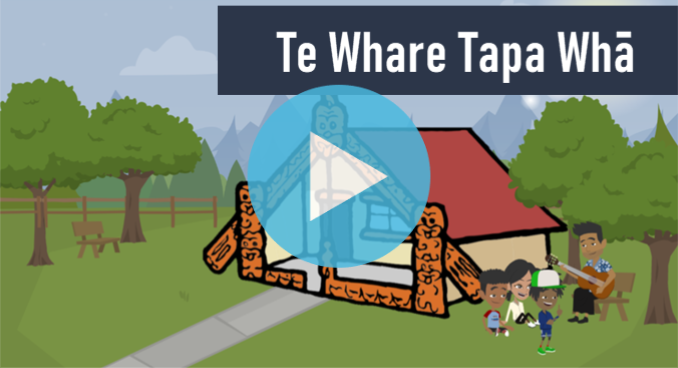
Te Whare Tapa Whā is a Māori health concept illustrating the four cornerstones of Māori health and wellbeing (hauora). With its strong foundations and four equal sides, the wharenui represents the four elements of Māori well-being.
Although Te Whare Tapa Whā is a Māori health concept, it equally applies to Pacific health and wellbeing.
The Elements of Māori Health and Wellbeing (Hauora)
• taha hinengaro – mental health and emotions.
• taha wairua – spiritual health.
• taha tinana – physical health.
• taha whānau – social, family and community.
At Pacific Learners Education, we are passionate about the health and wellbeing of our Pacific children. For more videos like this, you can view our full range of videos here: Pacific Learners Education Video Library
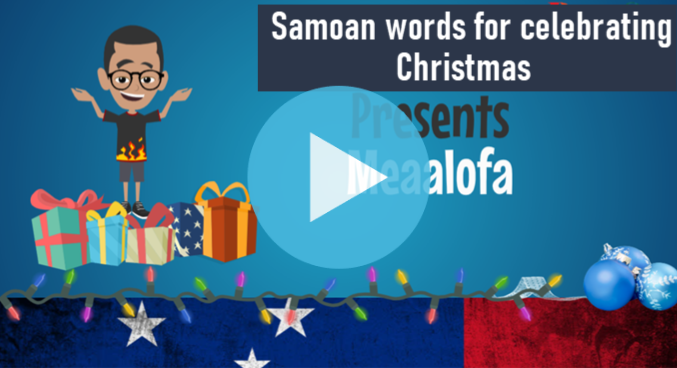
Christmas is an important time in our Pacific culture where we celebrate the birth of Jesus Christ.
In this video, we bring you Samoan words that you can use during the Christmas holidays, such as aso fanau, meaning birthday, or fa’amanatuga which means celebration or meaalofa meaning presents.
At Pacific Learners, we passionate about the revitalising Pacific languages, we do this through providing regular videos focusing on Samoan, Tongan, Fijian, Cook Island, Kiribati and Rotuman content.
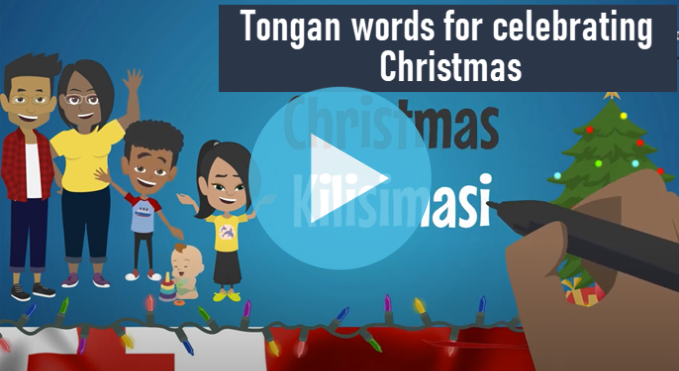
With the Christmas season fast approaching, we give you a video of 14 Tongan words that you can use when celebrating Christmas. Christmas is a time of giving, spending time with family and, most of all, remembering the birth of Jesus Christ.
At Pacific Learners, we are passionate about bring you Pacific language videos that you can use for occassions such as Christmas, Easter, and other festive celebrations.
For more Tongan language videos, visit our Tongan Language Resource Page where we have 10 more videos dedicated to the Tongan language and culture.
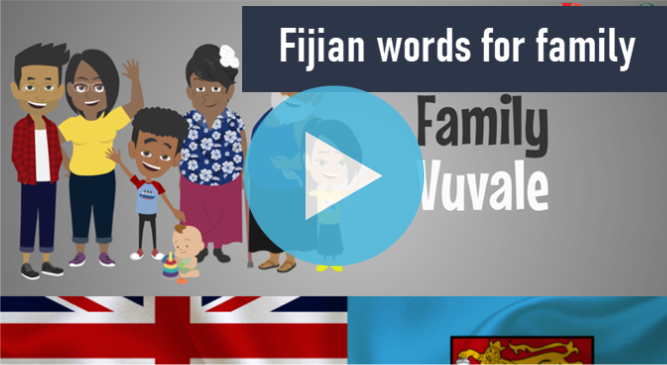
At Pacific Learners, we are passionate about releasing Pacific Language videos that can help improve your Pacific Language journey. Our videos include common words and phrases for the Samoan, Tongan, Kiribati, Rotoman, Cook Island languages and more. So, in this video we bring you Fijian Words for Family Members.
You can learn Fijian words like ‘Tinaqu’ which means ‘Mother’ or ‘Makubuqu’ which means ‘Grandchild’, and many more like this.
If you are interested to learn more about the Fijian Language, you can also visit our Fijian Language Resource Page.
Five Common Fijian Words for Family Members
Fijian for Family – Vuvale
Fijian for Mother – Tinaqu
Fijian for Father – Tamaqu
Fijian for Son – Luvequ Tagane
Fijian for Daughter – Luvequ Yalewa
View our full list of Fijian words for Family members below:
Family – Vuvale
Grandfather – Tukaqu
GrandMother – Tubuqu
Parents – Tubutubu
Father – Tamaqu
Mother – Tinaqu
Husband – Turaga na watina
Wife – Marama na watina
Brother – Ganequ
Sister – Taciqu
Nephew – Vugoqu Tagane
Niece – Vugoqu Yalewa
Baby – Gone dramidrami
Boy – Tagane
Girl – Yalewa
Daughter – Luvequ Yalewa
Son – Luvequ Tagane
Grandchild – Makubuqu
Aunty – Nei
Uncle – Momo
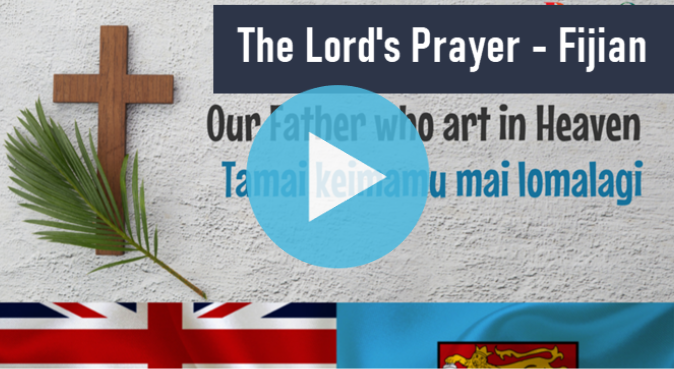
In this Pacific Learners video, we have translated the Lord’s Prayer from English to Fijian.
Passing on simple cultural phrases, songs, stories and scriptures can have a positive impact on our children’s sense of identity and belonging. So we have translated one of the most well known scriptures in the Bible, the ‘Lord’s Prayer’ from English to Fijian.
Use the translations below to follow along with the video.
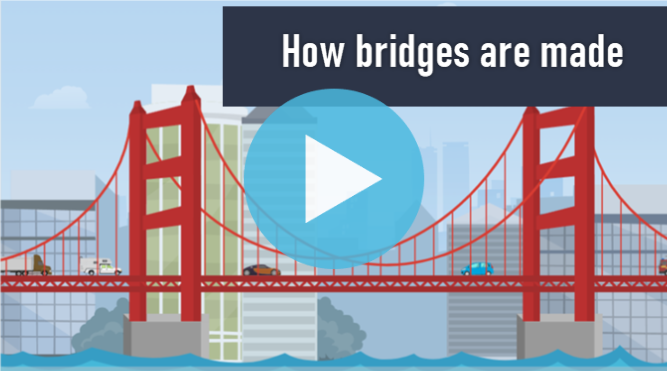
As we continue our theme of STEAM learning, we bring you a brief video about how bridges are made, and what makes them so strong.
The bridges we touch on are Beam bridges, and Suspension bridges. Both bridges are build different, this is due to the size of the bridge and the weight they carry.
In our collection of STEAM videos we recently highlighted the role of engineers, and the type of engineer that would design and build bridges. This type of engineer is called a Civil engineer. You can watch the video here: What is Engineering?
At Pacific Learners, we are passionate about providing content that would ignite and spark the interests of our Pacific children, in particular around STEAM subjects.
We use cookies to enhance your experience while using our website. If you are using our Services via a browser you can restrict, block or remove cookies through your web browser settings. We also use content and scripts from third parties that may use tracking technologies. You can selectively provide your consent below to allow such third party embeds. For complete information about the cookies we use, data we collect and how we process them, please check our Privacy Policy

Recent Comments