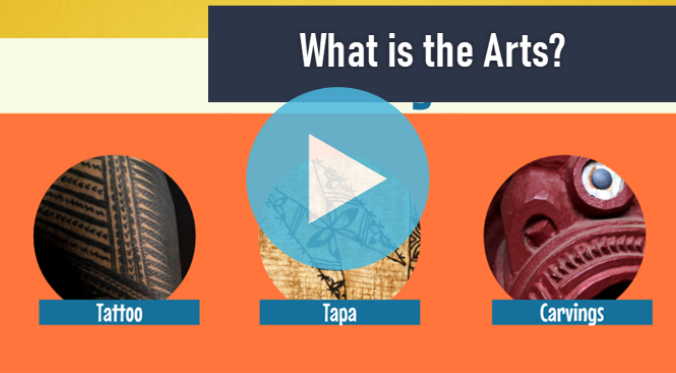
In understanding the subjects of STEAM learning, we take a look at the ‘Arts’. When we think about the Arts we tend to think about drawing, sculpting, painting and photography, however the Arts takes into consideration much more.
To be effective in the Arts, you require creativity, expression and interpretation. By combining these things, you are likely to improve academic performance, increase motor skills and boost your decision making ability.
At Pacific Learners Education, we believe our Pacific and Māori Peoples are naturally suited to the Arts, this is demonstrated through tattoo designs, tapa and carving designs. In addition, Pacific and Māori culture is heavily steeped in history where stories, songs and traditions are handed down from generation to generation.
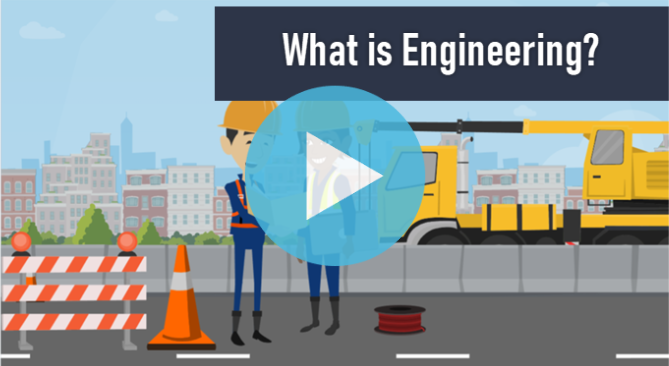
As we continue our STEAM Learning video series, we introduce a STEAM topic known as Engineering. At Pacific Learners Education, we are passionate about focusing on subjects that are naturally suited to our Pacific children’s gifts and talents.
This video also contains Tongan translations for key words. For more STEAM videos, visit our STEAM video resource page.
Engineering allows for someone who is a problem solver, innovator and analytical thinker.
Engineering falls into 4 main branches.
Civil Engineering: Deals with the design, construction and maintenance of structures such as dams, roads, bridges and buildings.
Mechanical Engineering: Takes into consideration science, mathematics and physics to design and manufacture mechanical systems.
Electrical Engineering: Takes into consideration electronics and electricity when creating and designing products such as communication, navigation systems as well as electric motors and components.
Chemical Engineering: These engineers take raw materials and create products that improves production. These products can include fertiliser, medicine and fuels.
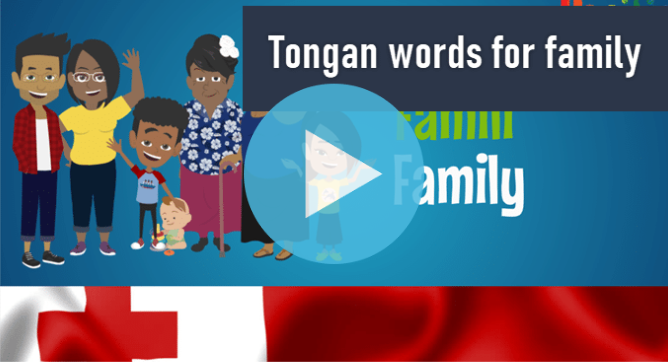
‘Tongan words for family members’ is our newest video in a series exploring Pacific culture and language.
Family members have roles and responsibilities in line with the Tongan social hierarchy. As a traditionally matriarchal society, women generally hold a higher social standing than men.
For example, the highest ranking member within an extended family is the eldest paternal aunt (mehekitanga). She is considered to be the Fahu, the dignified leader of the family, as revealed in her role during special occasions such as weddings and funerals.
For more Tongan language and cultural videos, visit our Tongan language resource page:
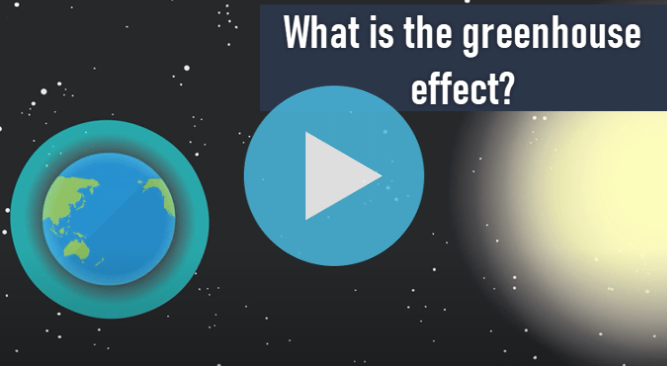
The greenhouse effect is a process that occurs when gases in the Earth’s atmosphere trap the Sun’s heat. This can cause the Earth to be much warmer than it usually would be.
As described in the video, think of Earth like a glasshouse, where heat gets trapped inside. This is much like what is happening now, the sun heats up the Earth and the gases prevent the heat from leaving the Earth’s atmosphere.
The Earth’s average surface air temperature has increased by about 1 degree Celsius since 1900, with over half of the increase occurring since the mid-1970s. The past seven years have been the seven warmest years on record according to the World Meteorological Organization.
As the next generation of innovators, we can use science, technology and engineering to help reduce greenhouse gas emissions, and ensure our beautiful planet is around for many generations to come.
At Pacific Learners, we are passionate about children’s education, so we have a dedicated STEAM Resource page that brings together all our STEAM content in one place
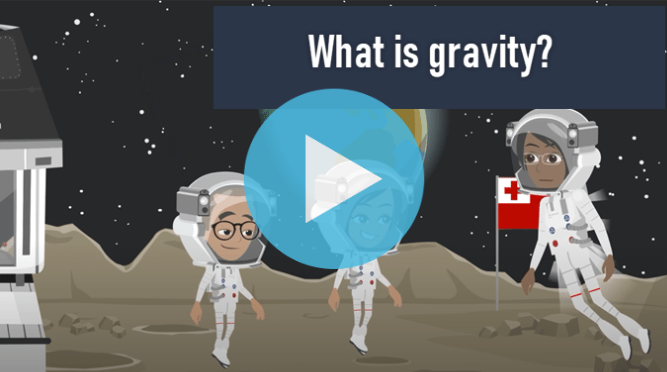
What is gravity? Gravity is an invisible force that draws objects towards its center. Each planet has its own gravitational pull, depending on its size, mass and how far it is away from other planets and stars.
In this video, our children venture into space and land on the moon, while on the moon the teacher talks to them about gravity.
STEAM Learning allows our children to ask questions, explore and discover new and exciting things. The subject of ‘space’ takes into consideration all the STEAM topics, such as Science, Technology, Engineering, the Arts and Mathematics. The Space industry has grown rapidly especially with New Zealand’s very own Space company, RocketLab.
At Pacific Learners, we are passionate about children’s education, so we have a dedicated STEAM Resource page that brings together all our STEAM content in one place.
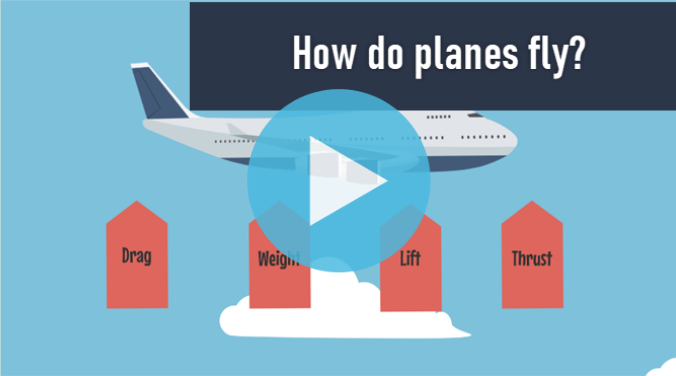
As part of Pacific Learners, STEAM-learning animated video series, we’re taking a look at how planes fly.
All STEAM topics, science, technology, engineering, arts, and mathematics play a key role in getting planes into the air.
Science is used to explore the physics of flight and the fundamental principles of lift, thrust, drag, and weight. Technology refers to the electronic systems that work together to keep planes in the air. Engineering is used to build the plane, while the arts are used to design the plane. Finally, mathematics is utilised to solve the many calculations that enables planes to fly.
Pacific Learners is passionate about the education of our young Pacific Learners, so we have developed a STEAM Resource page where you can find more STEAM animated videos and images.
3 STEAM Learning videos you might find useful
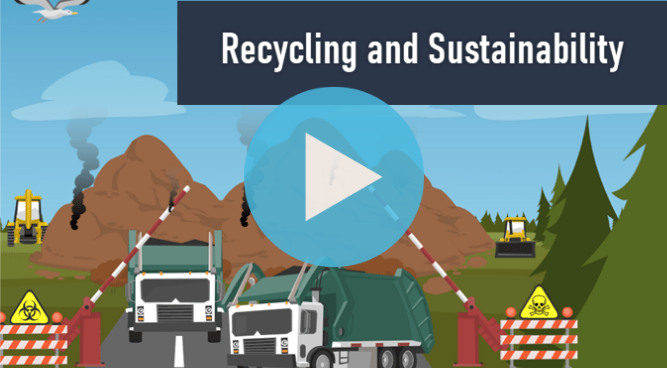
Recycling and Sustainability. Teaching children about sustainability and recycling allows the next generation of innovators to start thinking about solutions.
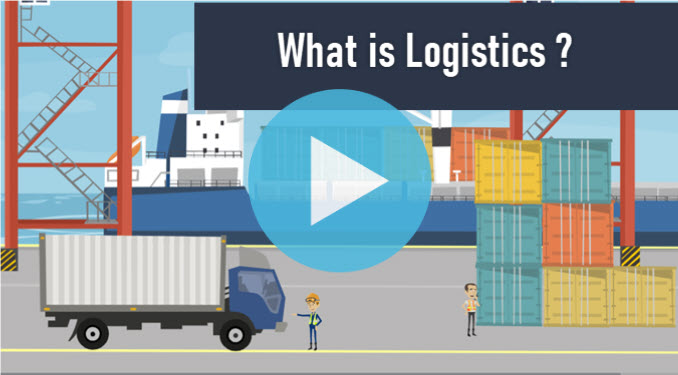
What is Logistics? In this STEAM learning video, we provide a brief description of what logistics is and why it is so important to all of us.
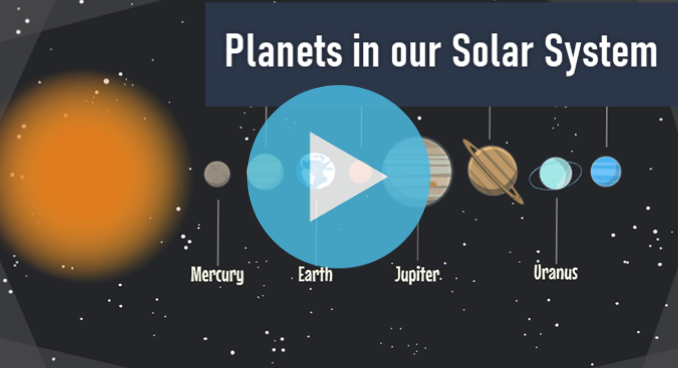
Planets in our solar system. In this video, we give you a brief description of all 8 Planets in our Solar System and where they are in position to the sun.
Teaching children about sustainability and recycling
Teaching children about sustainability and recycling allows the next generation of innovators to start thinking about solutions.
Integrating STEAM learning into conversations about the environment is essential for our children to understand how these subjects relate to sustainability.
Opening up our children’s minds to the current challenges our planet faces regarding waste and recycling, allows our children to form part of the solution. As we continue the conversation with them, our children can start to think about different approaches to the growing problem.
At Pacific Learners, we are passionate about education and seeing our children grow up to reach their full potential. One way we do this, is by exposing them to real world problems, then ask them to think about solutions through a STEAM approach. By linking the topic of Logistics, to the topic of sustainability and recycling, our children can start to build up a picture of how each industry impacts on another.
For more STEAM related videos, check out our Pacific Learners STEAM Resource Page.
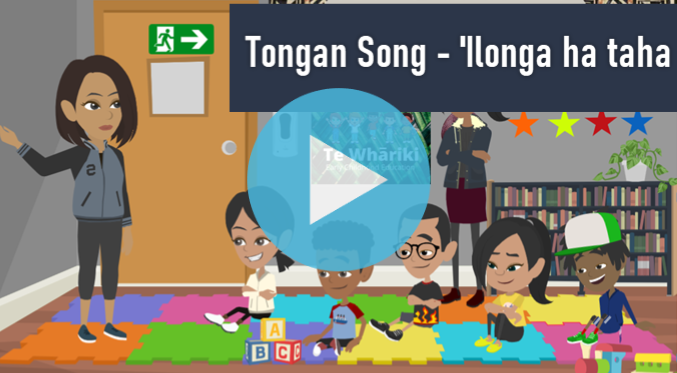
Learning faith based songs is a great way to connect with culture and customs. In this hymn, Talia’s cousin sings the first verse of ‘Ilonga ha taha, which speaks about searching for Jesus.
Faith is a significant part of Tongan culture and plays an important part in raising Pacific children. Christian principles such as love, hope, forgiveness, peace, compassion and service allows our children to grow up being thriving contributors to society.
At Pacific Learners, our passion to address the social, cultural, wellbeing and educational needs of our Pacific children.
4 cultural songs you might like.
Ua e manumalo. A Samoan faith based song that talks of Gods kindness, loyalty and strength.
Le ‘Aute. A Samoan song that talks about the beautiful Hibiscus flower
Motirawa tariu. A beautiful Kiribati song that is familiar to children from Kiribati
‘Ilonga ha taha verse translation
If there is someone who desires to be saved
If there is someone who wants to believe
Jesus welcomes someone like that
For he searches for the one who is lost
What is Logistics ? – In this STEAM learning video, we provide a brief description of what logistics is and why it is so important to all of us.
The Logistics Industry brings together all the STEAM topics of Science, Technology, Engineering, the Arts and Mathematics. The Logistics Industry relies heavily on Technology and Engineering to bring about efficiencies.
Logistics takes into consideration product development and design, to sourcing raw materials, to manufacturing and the distribution of products across the world. You might also take into consideration the recycling and discarding of the products.
Five reasons why Logistics so important
Logistics improves customer experience, this means customers like you can get products quickly no mater where they are made in the world
Logistics can make products more affordable, this means by using technology we can use robots and computers to manufacturer products more quickly and more cost effective
Logistics can improve the environment, this means by using smarter technology we can make products more environmentally friendly which is great for the planet
Logistics helps businesses grow and expand , this means businesses can use logistics to take products globally so they can sell to more people
Logistics creates jobs, this means as businesses grow by making and selling more products they can employ more people
STEAM Learning brings together Science, Technology, Engineering the Arts and Mathematics. In this video we give you a brief description of all 8 Planets in our Solar System and where they are in position to the sun.
Scientists have been studying planets for years, they do this to get a better understanding of how our solar system lead to the origins of life. We know there is life on earth, however scientist have not yet discovered life on any other planet. All 8 planets are unique in size, temperature and the materials they are made of, the different characteristics are mostly determined by the sun.
At Pacific Learners, we love providing STEAM learning videos where each video touches on a STEAM subject. It is our mission to see our young Pacific learners develop a passion for STEAM subjects and hopefully move into STEAM related careers.
We use cookies to enhance your experience while using our website. If you are using our Services via a browser you can restrict, block or remove cookies through your web browser settings. We also use content and scripts from third parties that may use tracking technologies. You can selectively provide your consent below to allow such third party embeds. For complete information about the cookies we use, data we collect and how we process them, please check our Privacy Policy

Recent Comments